


Tennessee is preparing for new federal guidelines tied to Medicaid work requirements set to take effect next year.
The stricter rules, backed by Republicans and announced this week by the Trump administration, require most recipients to log at least 80 hours a month through a job, education or community service.
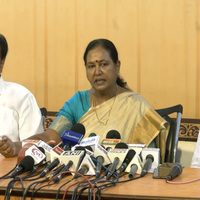
Maddie Twomey, communications director for Protect Our Care, said she worries the changes will lead to coverage losses. She said Tennessee relies heavily on Medicaid funding, and many of the state’s most vulnerable communities will be affected.
“Once these work requirements take effect, we are going to see families across Tennessee struggle to stay covered,” Twomey said. “And this will not just impact adults on Medicaid. It will be seniors. It will be children.”
Protect Our Care points to data showing more than 106,000 Tennesseans have already lost health coverage following federal policy changes. A significant number were enrolled through the Affordable Care Act, and more than 33,000 relied on Medicaid.
The Trump administration contends the requirements encourage workforce participation and accountability while helping preserve benefits for those who qualify.
Across the United States, Twomey said nearly 3 million people have lost Medicaid coverage since the passage of what is known as the “One Big Beautiful Bill Act.” She added that cuts associated with federal moves are leading to hospital closures.
Federal officials say $200 million is being sent to states to help them prepare for the change. But Twomey said state officials warn that enforcing work requirements is costly and complex, requiring major IT upgrades and new systems to effectively reach Medicaid recipients.
“This is not something that states asked for,” Twomey said. “If anything, I think state officials would prefer to be putting resources into actually give people the healthcare that they need.”
The policy targets adults 19 to 64 on Medicaid expansion in 43 states and Washington, D.C., with exemptions that include pregnant women, people with disabilities and parents with young children.
Source: Public News Service